The Milk Foam Hangover Is Over: Why UK Coffee Drinkers Are Ordering It Black
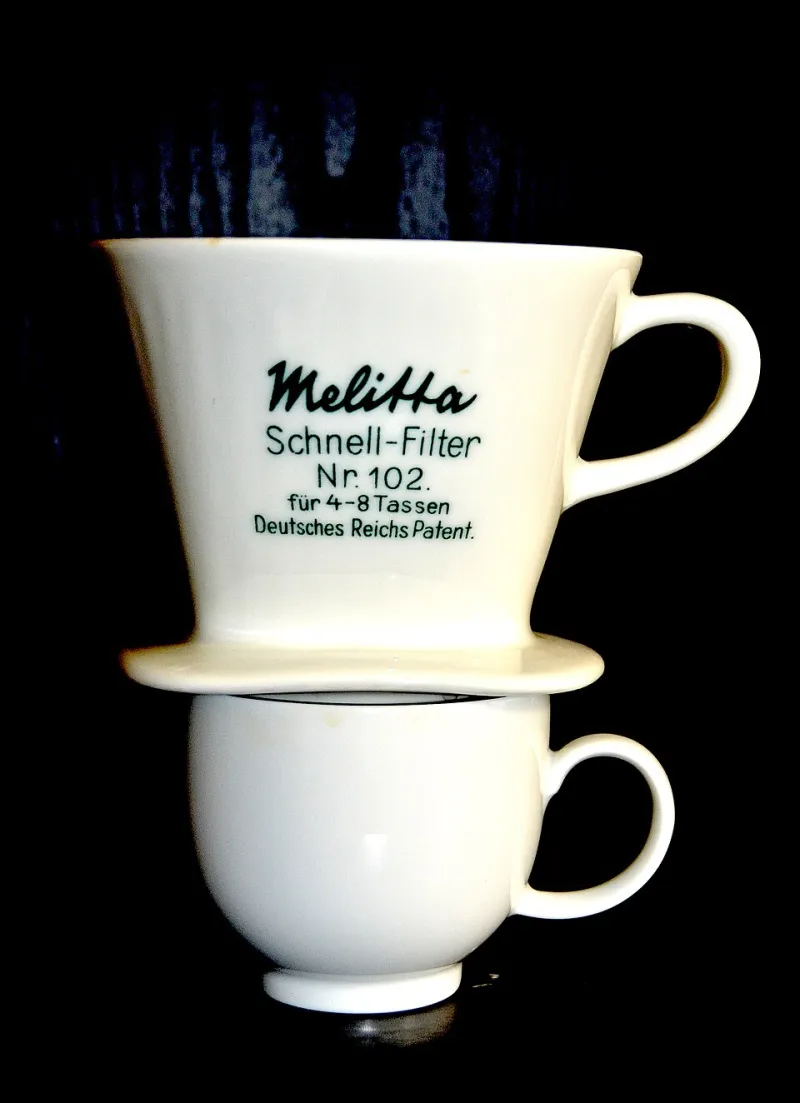
Photo: Olga Ernst, CC BY-SA 4.0, via Wikimedia Commons
Walk into a UK specialty cafe in 2026 and the tell is no longer the latte art. It is the number of people ordering black coffee without apologising for it. Batch brew sits on the counter next to the espresso machine. V60s are lined up like a small production line. Menus list origin, process and altitude with the same seriousness once reserved for wine. The flat white has not disappeared, but it no longer owns the conversation.
That is a meaningful shift. For much of the 2010s and into the 2020s, milk was the gateway for a lot of UK coffee drinkers. A flat white was approachable, familiar and forgiving. It introduced people to specialty coffee without asking them to enjoy something that tasted like blackcurrant and lemon peel. That was not a bad thing. It built the market. But by 2026, the market has grown up enough to ask a different question: what does the coffee actually taste like?
The flat white decade
The UK's specialty boom was powered by espresso and milk. London cafes set the template, then Bristol, Manchester, Leeds, Glasgow and Edinburgh followed. A good flat white became a signal of quality, and a bad one became a reason never to return. Milk smoothed out roast faults, masked bitterness and made unfamiliar coffees feel safe. It also made coffee shops a lot of money.
But milk-forward drinking has a ceiling. Once you have had a well-made flat white, the next step is not another flat white. It is curiosity. The same drinkers who learned to taste the difference between a Brazilian and an Ethiopian espresso started wanting to taste the coffee without the dairy. They did not necessarily stop ordering milk drinks. They started ordering black coffee as well.
Clarity is the new comfort
Black coffee in 2026 is not the burnt filter of office kitchens. It is batch brew kept at the right temperature, V60s brewed to order, Kalita waves and AeroPress recipes that make sense at home. The appeal is clarity. You can taste origin character more directly: the stone fruit in a Kenyan coffee, the cocoa in a Brazilian, the floral edge in a Rwandan lot. You can also taste mistakes more clearly, which is why brewing has become part of the culture rather than a secret handshake.
This has changed the language of cafe menus. Baristas are more likely to ask whether you want the brighter filter or the sweeter one, rather than simply offering a black americano. Some shops now list two batch brews side by side. Others offer a small tasting set, often called a black coffee flight, which lets you compare two or three coffees brewed the same way. It sounds precious until you try it. Then it feels like the most natural way to understand what you are drinking.
Omniroast changed the argument
The rise of omniroast beans has made black coffee easier to sell. A few years ago, a coffee roasted for espresso often tasted harsh when brewed as filter, and a filter roast could taste thin through an espresso machine. Omniroast aims for a middle ground: beans that work across both methods, with enough development for espresso and enough clarity for filter. It is not a perfect solution, but it has made it easier for roasters to sell one coffee to households with different brewing setups.
For drinkers, that means less anxiety about buying the wrong bag. For roasters, it means a simpler message. For cafes, it means a menu that can move between espresso and filter without feeling like two separate businesses. In 2026, omniroast is no longer a niche label. It is a practical response to the way people actually drink coffee at home.
Flights, not gimmicks
Black coffee flights could easily become a gimmick. In the wrong hands, they are three small cups and a lot of explaining. In the right hands, they are a useful way to show how processing and origin change flavour. The best versions are simple: two or three coffees, brewed consistently, with clear notes and no pressure to taste the same thing as the person next to you. They work because they turn coffee into a conversation without turning it into a lecture.
The same impulse is behind the growth of filter options in cafes that once treated batch brew as an afterthought. A good batch brew is not lazy coffee. It is consistent, affordable and quick. It also gives people a way to try black coffee without committing to a pour-over ritual. That matters in a cost-of-living era when a £4.50 flat white feels like a treat and a £3 filter feels like a sensible daily habit.
What it means for roasters
Roasters have had to adapt. Profiles that were built around milk are being reworked for clarity. Tasting notes are becoming more precise and less florid. Packaging is starting to explain brewing methods rather than assuming the buyer already knows. Smaller roasters are using black coffee as a way to show off single-origin lots that would disappear behind milk.
There is also a commercial reality. Black coffee drinkers tend to buy more filter-roasted beans, and they are often interested in the story behind the coffee. That rewards roasters who can communicate origin, processing and freshness without turning the bag into a dissertation. The best 2026 labels do this well: they tell you what the coffee tastes like, how to brew it and why it is different from the last bag you bought.
Cafe menus in 2026
Cafe menus are becoming more honest. Instead of hiding filter at the bottom of the board, more shops are giving it equal billing. Some are offering a house batch brew alongside a rotating single origin. Others are listing brew methods with prices rather than treating them as a secret menu. The result is a better experience for anyone who wants to drink coffee without milk, and a clearer proposition for anyone who is simply curious.
That does not mean milk is in retreat. The flat white remains a UK staple, and a good cappuccino is still a pleasure. The difference is that black coffee is no longer the earnest option or the test of toughness. It is a normal choice, and often the best way to taste what a roaster is trying to do.
Home setups: simpler, cheaper, better
The home brewing market has followed the same logic. You do not need a laboratory to make good black coffee in 2026. A decent grinder, a V60 or AeroPress, a kettle and a set of scales will get you most of the way there. Batch brewers are becoming more common in UK kitchens, and pre-ground filter coffee is improving. The barrier is no longer equipment. It is confidence.
The easiest way to build that confidence is to start with one coffee and one method. Brew it three times, change one variable and taste the difference. You do not need to chase perfect extraction. You need to notice what you like. Black coffee rewards that kind of attention because there is nowhere for the coffee to hide.
The catch
Black coffee is not a moral upgrade. It does not make you a more serious coffee drinker, and it is not inherently better than a well-made milk drink. The shift matters because it gives UK coffee lovers more choice, not because it makes one choice superior. The best cafe menu is one that makes both options feel considered.
What has changed in 2026 is the confidence of the UK specialty scene. We have moved past the stage where black coffee needed to be explained or apologised for. It is on the menu, in the home kit and in the conversation. The flat white built the audience. The filter is teaching it what coffee can taste like.