Cold Brew, Warm Coat: The Winter Iced Coffee Habit UK Cafés Can’t Shift
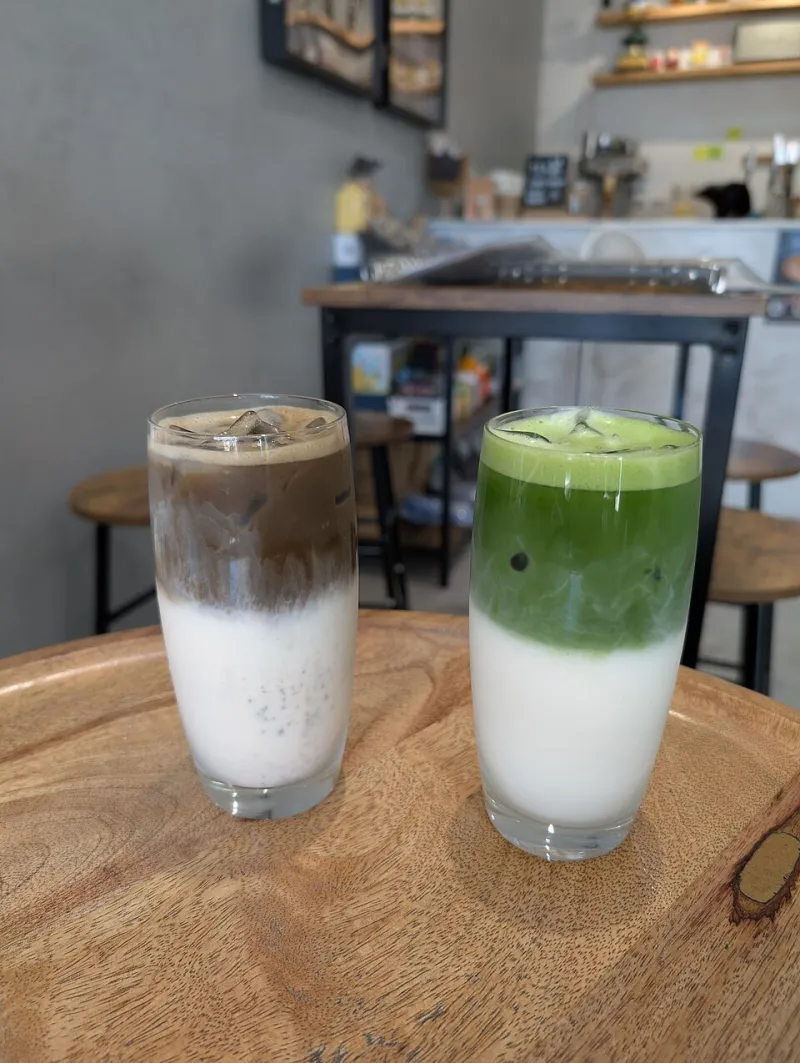
Photo: Andy Li, CC0, via Wikimedia Commons
Walk into a UK café in late November 2026 and the signs of winter are unmistakable: cinnamon shakers out, mince pies stacked by the till, someone wrestling with a damp coat. Then, just behind that order for a flat white, comes the curveball. An iced latte. Extra ice. Maybe a cold brew.
It is not a one-off. Across the country, café owners and baristas say cold coffee has become a winter fixture — smaller than the summer rush, but stubborn enough to plan for. The seasonal menu may say otherwise, but the cold cup is not leaving quietly.
The counter evidence
Spend a morning in a busy independent and the pattern shows up quickly. Cold drinks are no longer just a warm-weather reflex. They are part of the daily rhythm: a student settling in for a long library session, a shopper pausing between errands, a office worker who has just come in from a stuffy bus and wants something bracing rather than cosy.
Several owners describe the same surprise. Winter cold coffee used to be a trickle — a tourist, a teenager, someone who simply preferred it. Now it is predictable enough to affect prep lists. Not huge, but not ignorable either. A café that runs out of cold brew concentrate on a Saturday in February will hear about it.
What cafés actually stock
This is not a full summer menu in disguise. Most operators keep winter cold coffee tight. Cold brew is common because it can be batched, stored and poured quickly. Iced Americanos are simple. Iced lattes remain the big seller, often with a seasonal syrup that does double duty across hot and cold drinks.
The smarter approach is to avoid overstocking the fussy stuff. Whipped creams, fruit garnishes and elaborate cold-foam toppings are less forgiving when volumes drop. A café might keep one or two cold specials rather than a full row. The goal is to satisfy the request without creating a fridge full of expensive regret.
Waste is the quiet issue. Milk, ice and syrup all have a shelf life, and a winter cold drink is often a lower-volume order than its hot sibling. Some owners say they now make cold drinks to order rather than pre-pouring, or they shrink batch sizes and accept a slightly longer wait. Ice machines still run, but not at July levels.
The economics of an ice cube in November
Cold coffee can be good business. An iced latte often carries a similar price to a hot one, sometimes more once flavouring is added. Cold brew concentrate can be stretched efficiently. And the upsell is straightforward: a flavoured cold brew, an espresso tonic, a cold latte with an extra shot.
But the margin depends on discipline. If a café keeps a full cold-drink setup running for a handful of orders, the costs creep in through labour, fridge space and waste. The operators making it work tend to treat winter cold coffee as a small, deliberate line rather than a shadow summer menu. They track what sells between November and February, cut what does not, and keep the popular basics ready.
There is also the social-media factor. Iced coffee photographs well, and the visual appeal does not vanish when the temperature drops. A layered iced latte or a dark cold brew in a clean glass still travels nicely on Instagram and TikTok. Cafés are not blind to that. But the ones we spoke to were clear that the feed is not the reason to stock something — it is a reason to present it well if you already do.
The heating paradox
Maybe the strangest part is the indoor logic. UK cafés are often warm in winter — sometimes very warm. Shops, offices and public transport can be overheated. Customers come in wearing coats, shed layers, and then want something cold. The iced latte becomes a kind of climate control in a cup.
That helps explain why the habit is less seasonal than it looks. It is not about pretending it is July. It is about the reality of moving between cold streets and warm rooms. A cold drink can feel refreshing in a way a hot one does not when you are already thawing out.
What happens between November and February
The practical response is rarely dramatic. Cafés keep cold brew in the fridge, ice in the machine and a quiet iced option on the menu. Some put the iced drinks lower down or frame them as a choice rather than a feature. Others train staff to offer a cold version only when it makes sense — not as a hard sell, but as a real option.
The seasonal menu still leads. Winter warmers pay the bills. But the cold cup has found a place at the edge of the counter, and the cafés that plan for it are the ones least likely to be caught short. As one owner put it, winter is not an on-off switch. Neither, it seems, is the UK’s appetite for an iced latte.