What a Four-Pound Flat White Really Pays For
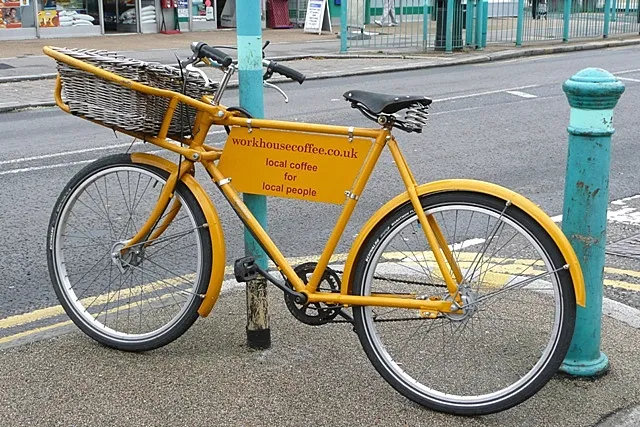
Photo: Graham Horn, CC BY-SA 2.0, via Wikimedia Commons
On a grey Tuesday in Leeds, a flat white costs £4. On a bright Saturday in Bristol, it might be £4.20. In Glasgow, £3.80 is still possible if you know where to look. Same drink, roughly the same six ounces, three different prices. In 2026, the flat white has become a useful unit of measurement for the UK coffee economy: small enough to order without thinking, expensive enough to make you pause.
The pause is fair. A flat white is not a cheap product to make, even if it looks like a simple one. But the conversation around coffee prices often jumps straight to the bean, as if the farmer, the roaster and the café are all splitting a £4 note three ways. The reality is messier. There is milk, rent, energy, labour, insurance, card fees, waste and, in many cases, VAT. The £4 flat white is not a scandal. It is a chain of thin margins.
The £4 question
A specialty flat white usually starts with a double shot, somewhere between 17g and 20g of coffee. A 1kg bag of specialty green coffee might cost a roaster £5 to £9, depending on origin, quality and how directly it was bought. After roast loss, that 18g dose is worth roughly 12p to 22p. Even with roasting, packaging and transport added, the coffee itself is rarely the biggest line on the spreadsheet.
One Bristol roastery owner likens it to buying a loaf of bread and blaming the flour for the price. The flour matters. But the oven, the baker, the shop and the rent matter too. In a city-centre café, the coffee may be one of the smaller costs per cup. That does not mean the bean is unimportant. It means the price is doing more work than most customers see.
Where the money goes
These are ranges, not a forensic audit. Every café has a different lease, energy contract and staffing model. But the shape of the cost is broadly consistent across independent specialty shops in Bristol, Leeds and Glasgow.
| Line item | Typical range per 6oz flat white | What it covers |
|---|---|---|
| Green coffee | £0.12–£0.22 | 17–20g dose, before roast loss |
| Roasting, packaging, transport | £0.10–£0.18 | Roastery overheads, bags, delivery |
| Milk | £0.12–£0.28 | 120–140ml dairy or barista alternative |
| Cup, lid, napkin | £0.08–£0.18 | Takeaway packaging or washable ceramics |
| Energy | £0.15–£0.30 | Espresso machine, fridge, lights, heating |
| Labour | £0.70–£1.00 | Three to four minutes at £12.50+ per hour, plus employer costs |
| Rent, rates, insurance | £0.55–£1.00 | City-centre sites push this higher |
| Card fees and software | £0.06–£0.14 | Terminal fees, POS subscription, payment processing |
| Waste, repairs, admin, marketing | £0.18–£0.35 | Spilt milk, machine servicing, bookkeeping, social media |
| VAT, if registered | £0.67 | The 20% included in a £4 shelf price |
Add those up and a typical independent lands somewhere between £2.85 and £3.55 per drink before profit. Prime sites can push towards £3.80 or £4.10. A café making 200 drinks a day is not swimming in cash; it is managing a hundred small variables, any one of which can eat the margin.
Labour is the line customers underestimate most. Three minutes of a barista's time at £12.50 an hour is 63p. Add employer National Insurance, pension contributions and holiday cover, and it edges closer to 75p or 95p. Rent is the line that varies most wildly. A site at £3,000 a month making 3,500 drinks is 86p a drink before business rates and insurance. A quieter shop pays more per cup for the same square footage.
Card fees look trivial until you add them up. A £4 transaction might cost 6p to 14p once processing, terminal rental and software are counted. Energy is no longer a background cost either. Espresso machines, grinders, fridges, dishwashers and heating all run through the day. In a cold month, a café can feel its electricity bill in every second drink.
The fairness chain
The uncomfortable truth is that the £4 flat white does not automatically make everyone in the chain comfortable. Farmers are not paid from the shelf price directly. Many specialty roasters pay well above commodity rates, but green coffee is still priced through contracts, certifications, shipping and exchange rates. Roasters carry stock, fuel and packaging costs. Cafés carry the rent and the risk. Customers carry the final price.
That is why transparency is more useful than outrage. A café that explains its milk choice, its roaster and its staffing model is not asking for sympathy. It is showing where the money goes. The £4 flat white can be fair, but fairness is not automatic. It has to be built into buying decisions at every stage.
There is also room to trim without cutting quality. Cafés can reduce waste by tracking milk and batch sizes. They can negotiate card fees or switch terminals. They can review energy tariffs and service fridges. They can schedule staff to the rhythm of the day rather than the opening hours. They can price milk alternatives honestly instead of hiding the cost in every drink. They can simplify the menu so the team is not maintaining twelve syrups nobody orders.
What they should not do is quietly downgrade the coffee and hope nobody notices. The £4 flat white is not cheap, but it is not a con. It is a small, perishable product made by people who have to pay for the lights. The price is fair when the chain is fair. The job for 2026 is to make that chain easier to see, one cup at a time.