Steam, Lights and a £4.50 Letdown: Inside the Christmas Market Coffee Stall
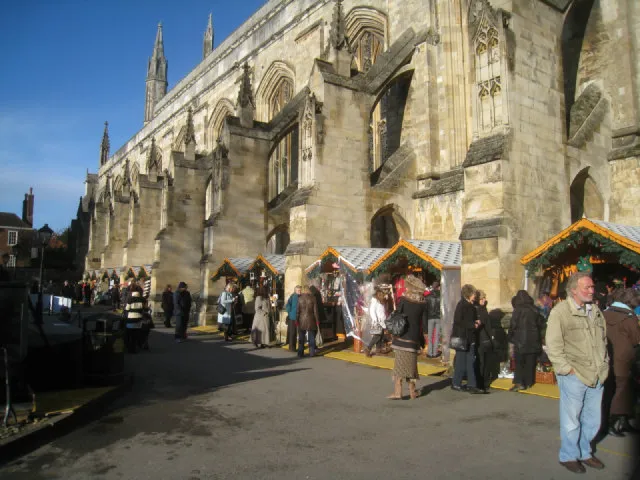
Photo: Sandy B , CC BY-SA 2.0, via Wikimedia Commons
There is a particular smell to a UK Christmas market: hot sugar, wet pavement, diesel from the generator, and somewhere underneath it all, coffee. You join the queue because it is cold and the lights are pretty. Ten minutes later you are handed a £4.50 cup that tastes like hot milk and vague disappointment. The question is not whether that cup is bad. It is why it so often is — and how you can avoid it.
The £4.50 maths
A Christmas market coffee stall is not a normal cafe. It is a temporary business with permanent costs. Pitch fees in city centres can run into thousands of pounds for a few weeks. Add a generator, a refrigerated van, staff who may be on their first coffee shift, cups, lids, milk, insurance, and the wastage that comes with a menu built for speed. The price is not pure greed. It is a convenience premium.
The problem is what happens when that premium is spent on everything except the coffee. If the beans are bought on price, the grinder is missing, and the milk is left in jugs on the counter, the customer pays luxury prices for a product that was never designed to be good.
Why the coffee becomes an afterthought
Many market stalls rely on bean-to-cup machines. These can produce a consistent, hot drink at speed, but they are not barista tools. The beans are often dark, stale, and chosen for crema rather than flavour. Some stalls use pre-ground coffee because it is simpler and cheaper. Others use UHT milk because it keeps without a proper fridge. None of this is illegal. It is just a different business model — one where coffee is a hot liquid to sell alongside the fairy lights, not a craft product.
The queue makes it worse. When twenty people are waiting, the pressure is to batch, rush, and stop tasting. A barista who would normally dial in a grinder and weigh a shot is suddenly pouring milk from a jug that has been sitting out. You can taste that compromise.
A field guide to the good stalls
You do not need to interrogate anyone. A few visual clues tell you most of what you need to know.
- A visible grinder. If there is no grinder, there is no freshly ground coffee. A bag of pre-ground beans behind the counter is a warning sign.
- A roast date, not just a best-before. Specialty roasters print the date the beans were roasted. A Christmas market stall selling bags with a roast date from the last few weeks is paying attention.
- Milk in a fridge, not on the counter. Milk should be cold, rotated, and handled properly. Jugs left out in the cold are not a good look.
- A short menu. A stall doing flat whites, filter, and hot chocolate well is more promising than one doing fifteen syrupy drinks.
- Someone tasting the espresso. If the barista pulls a shot, looks at it, and adjusts, that is a good sign.
- A named roaster. Ask which roaster supplied the beans. A good stall will know the answer without checking a label.
Three traders to look for in 2026
There are market traders doing this properly. On the 2026 circuit, look out for Copper Lane Coffee in Bath, North Pier Roasters in Scarborough, and The Little Bean Co. in Cardiff. Each runs a compact stall, grinds to order, keeps milk cold, and sells beans with a roast date rather than a vague promise. They are not the cheapest cups at the market. They are the ones where the coffee tastes like it was the point.
The questions worth asking
If you are unsure, ask. A good trader will not be offended. Ask which roaster they use. Ask when the beans were roasted. Ask if they can make it with whole milk or oat. Ask if they are grinding fresh. The answers tell you whether you are buying coffee or buying warmth.
None of this means every £4.50 cup is a con. Christmas markets are expensive to run, and a good coffee stall is a small miracle of logistics. But you are allowed to expect more than hot milk with a lid. The lights are free. The coffee should not taste like a tax on standing near them.