Rinse, Repeat, Reassess: The Real Carbon Ledger of Your Daily Coffee
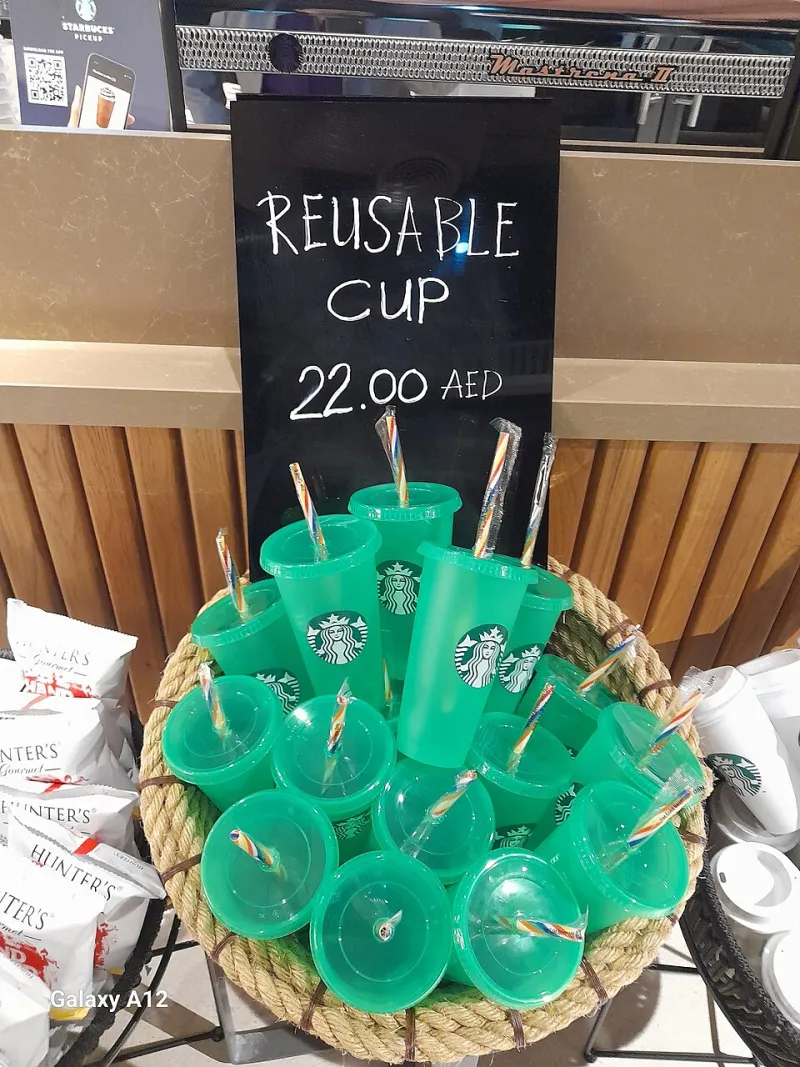
Photo: Challiyan, CC BY-SA 4.0, via Wikimedia Commons
The UK coffee run has become a small moral obstacle course. You bring a reusable cup. You choose oat milk. You refuse the lid. You put the cup in the bin and hope for the best. Each choice feels like it should matter, and each comes with a claim attached: compostable, plant-based, recyclable, carbon neutral.
The trouble is that most of these claims are not lies. They are just partial. A cup can be recyclable in theory and go to landfill in practice. Oat milk can be lower impact than dairy and still carry a footprint. The honest carbon maths of a coffee habit is less about one heroic swap and more about a handful of boring habits repeated often.
The cup you already own usually wins
A reusable cup has to be manufactured, washed and eventually replaced. That means it starts life with a carbon debt. The break-even point depends on the material, how often you use it and how you wash it. A sturdy cup used most days for months is almost certainly better than a disposable cup every morning. A cupboard full of free promotional cups that never leave the house is not.
The washing matters more than people think. Rinsing a cup in cold water and giving it a proper wash with the rest of the dishes is very different from blasting one cup under hot running water for two minutes every day. If you have a dishwasher, a full load is generally more efficient than a sink full of hot water for one mug. The best routine is the one you will actually keep: use the cup, rinse it, wash it sensibly, repeat.
In the UK, paper coffee cups are not routinely recycled at kerbside. Many need specialist collection, and a great many still end up in general waste. That does not make every disposable cup a catastrophe, but it does mean the reusable cup you already own is usually the stronger move.
Milk is usually the main event
For a milky coffee, the milk is often the biggest part of the drink’s footprint. That is why switching from dairy to oat milk can be meaningful. Oat milk generally has a lower climate impact than dairy, but it is not free. It uses land, water, packaging and transport. It is a better choice, not a magic one.
The bigger step is simply drinking less milk. A black coffee or an Americano skips the milk question altogether. A smaller flat white has less impact than a large one. If you are not ready to go black, try a smaller milk drink or an oat milk flat white rather than a large dairy latte. The change does not need to be dramatic to add up over a year.
This is where greenwash often creeps in. A cafe can advertise a plant-based milk as the sustainable option without mentioning cup waste, energy use or food waste. A dairy-free drink is not automatically a low-impact drink. It is one choice among several.
Lids, sleeves and the bin
Lids are small but stubborn. Many are plastic, and even compostable versions usually need industrial composting to break down properly. If a compostable lid goes into a general waste bin, it does not compost. It just becomes waste with a nicer label.
Sleeves are easy to refuse when you are sitting in. So are lids. If you are drinking in the cafe, ask for a ceramic cup. If you are taking away, a reusable cup with no lid is still better than a disposable cup with a lid, a sleeve and a double cup. Small reductions are not pointless; they are just not the whole story.
Double cupping is another quiet offender. It feels protective, but it doubles the material for one drink. If the cup is too hot, a sleeve or a moment to let it cool is the better answer.
What actually moves the needle
The most useful habits are unglamorous. Drink black or with less milk sometimes. Bring a cup you already own and actually use it. Sit in with a ceramic cup when you can. Skip the lid and sleeve if you do not need them. Do not drive specifically for one coffee if you could walk or combine it with another errand. Choose cafes that separate their waste and use proper cups, and tell them you noticed.
None of this requires perfection. A daily coffee habit is not a moral exam. The goal is to make the better choice the easy one, most of the time. One reusable cup used five days a week beats a cupboard of sustainable-sounding disposables. One black coffee a week beats a complicated oat milk order if you never actually finish it.
A short greenwash checklist
Be sceptical of plant-based claims that do not mention disposal. Be sceptical of compostable packaging unless the cafe has a collection route. Be sceptical of carbon neutral labels that rely entirely on offsets. Be sceptical of recyclable claims without a visible recycling bin. And be sceptical of any sustainability message that asks you to buy more stuff rather than use what you already have.
The honest carbon maths of a UK coffee habit is not sexy. It is a reusable cup, a smaller milk order, a ceramic mug, a walk instead of a drive. That is less satisfying to post about than a bamboo cup, but it is closer to the truth.