The Postcode in Your Cup: How UK Water Hardness Rewrites the Same Beans
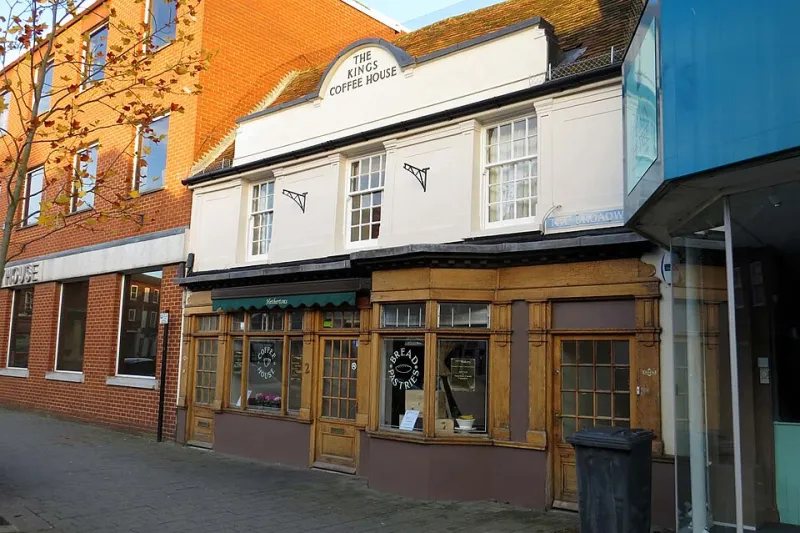
Photo: Steve Daniels , CC BY-SA 2.0, via Wikimedia Commons
Brew the same bag of coffee in a London flat, a Leeds kitchen and a Glasgow tenement and you are not really brewing the same coffee. You are brewing three different waters. The beans might be identical, the grinder the same model, the scales calibrated to the gram. But water is the ingredient we notice least and argue about most, and in the UK its character changes sharply from one postcode to the next.
That is not a small detail. Water makes up more than 98 per cent of an espresso and the overwhelming majority of a filter brew. When someone says a coffee tastes flat, chalky, thin or harsh, the grinder and the roast often take the blame. Frequently the kettle is the culprit.
Why hardness changes the brew
Hardness is mostly about dissolved calcium and magnesium. Alkalinity is about bicarbonate. The two are related but not the same, and for coffee the second one matters enormously. Bicarbonate acts like a buffer: it neutralises acidity. That sounds soothing until you remember that coffee’s brightness, fruit character and sense of life come from acids. Too much bicarbonate and a vivid Kenyan filter can taste like a polite brown memory. Too little and the cup can turn sharp, hollow and thin.
Minerals also help pull flavour compounds out of the grounds. Magnesium in particular is good at latching onto the aromatic stuff we want in the cup. But more is not better. Very hard water can leave scale in the kettle and in the espresso machine, and it can make extraction feel muddy rather than rich. The goal is not pure water. Pure water makes dull coffee. The goal is balanced water, with enough mineral content to extract properly and not so much alkalinity that the acidity disappears.
London: the scaled kettle and the muted cup
London is the obvious hard-water capital of the UK coffee conversation, and for good reason. The tap water is mineral-rich and often high in alkalinity. At home, that can mean a filter brew that tastes softer than expected, with less clarity and a drying finish. Espresso can feel heavier and less articulate. Kettles fur up, machines complain, and the same beans that sang in a café can seem tired in the kitchen.
Specialty cafés in London have largely stopped treating water as a background utility. Many run reverse osmosis systems and then remineralise the water to a target recipe. Others use filtration plus softening and test regularly. The result is consistency: a flat white tastes like the roaster intended rather than like the local supply. Some bars now talk about water the way they talk about grinders, which is a healthy shift. Water is an ingredient, not plumbing.
Leeds: the middle ground with a split personality
Leeds is a useful reminder that ‘the north’ is not one water type. Supply varies with source and treatment, and some areas are softer than others. Cafés around the city often find they need different filtration depending on the site. A bar in one part of town can get away with a simple carbon filter; another needs softening and a tighter recipe.
For home brewers, Leeds is the city that rewards curiosity. If your coffee tastes fine but slightly vague, alkalinity may be buffering the best bits. If it tastes thin and acidic, the water may be softer than you assumed. A cheap water test strip is not laboratory science, but it is enough to tell you whether you are dealing with a hard-water problem or a soft-water problem. That single bit of information changes how you brew.
Glasgow: soft water, bright cups, different problems
Glasgow’s water is generally soft, which sounds like a dream until you brew with it. Soft water can make coffee taste bright and tea-like, but it can also make it taste underpowered. With very low mineral content, extraction can be uneven and the cup can lack sweetness and body. Espresso can run fast and taste sharp. Filter can feel delicate in a good way, or just thin in a bad one.
In cafés, the fix is often mineral addition rather than removal. Some use remineralisation cartridges; others build water from a base and add specific mineral blends. At home, a pinch of mineral salts or a dedicated coffee-water sachet can make a surprising difference. It sounds fussy. It is also the difference between a cup that tastes complete and one that tastes like it is missing its shoes.
What cafés are doing about it
The UK specialty scene has become quietly obsessed with water in 2026, and that is a good thing. Roasters are publishing brew-water guidance. Cafés are logging filtration changes. Baristas are tasting water alongside coffee. The old approach — stick a filter jug on the counter and hope — is giving way to something more deliberate.
That matters for customers because consistency is the invisible luxury of a good coffee bar. You should not be able to taste the postcode in your flat white. You should taste the coffee the roaster chose, roasted the way they meant it, brewed with water that lets it speak.
Practical fixes for home brewers
Start by testing. A basic hardness and alkalinity test strip will not tell you everything, but it will stop you guessing. If your water is very hard or very alkaline, a proper filter jug is a decent first step, though not all jugs remove alkalinity equally. For serious filter brewers, low-mineral bottled water or a remineralised water recipe can be a revelation. Do not use distilled water on its own; it makes coffee taste empty.
Adjust your recipe too. With hard, alkaline water, you may need a slightly finer grind or a touch more coffee to get the cup to open up, and you may prefer a slightly lower brew temperature to keep bitterness in check. With soft water, a small mineral addition can restore sweetness and body. Keep notes. Change one thing at a time. The aim is not to chase a perfect number but to make your water boringly consistent so the coffee can be interesting.
The cup behind the cup
The next time a coffee tastes different from the one you loved in a café, resist blaming the beans straight away. Ask what is in the kettle. In the UK, water is not a neutral backdrop. It is a local ingredient with a personality, and learning to work with it is one of the cheapest upgrades in coffee. The beans deserve the credit. The water deserves the attention.